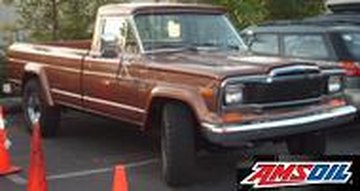
Engine Lubrication Maintenance for the 1981 Jeep J10 PICKUP 4.2L
Maintaining the engine lubrication system in a classic vehicle like the 1981 Jeep J10 PICKUP requires a consistent approach to monitoring and inspection. Because this vehicle utilizes a 4.2L engine, ensuring that the internal components receive appropriate lubrication is a fundamental aspect of long-term mechanical health. Proper maintenance involves more than just periodic fluid changes; it requires an observant eye for how the engine behaves under various operating conditions.
Monitoring Fluid Condition and Consumption
One of the most effective ways to monitor the health of the 4.2L engine is to pay close attention to the lubricant itself. Changes in the appearance or consistency of the oil can be significant indicators of what is occurring within the engine. For instance, if the oil appears excessively dark or contains visible particulates, it may suggest that the fluid is reaching the end of its effective service life or that contaminants are present.
It is also important to observe any changes in how much lubricant the engine consumes between service intervals. While some level of consumption can occur as engines age, a noticeable increase in the frequency of top-offs warrants closer investigation. If you find yourself needing to add oil more often than previously recorded, it could indicate that the engine's sealing surfaces or internal components are no longer performing as they once did. Tracking these changes over time allows you to distinguish between normal aging and a developing issue that may require professional attention.
Observing Potential Warning Signs
When managing an older vehicle, being able to recognize early warning signs can prevent more significant mechanical complications. These signs are often subtle and may manifest in several ways:
- Visible Seepage: Regularly inspect the area around the engine for any evidence of fluid leakage. Even small amounts of seepage on gaskets or seals should be noted, as they can eventually lead to lower fluid levels.
- Unusual Noises: Listen for changes in the engine's acoustic profile. While many mechanical sounds are normal, new or rhythmic noises that coincide with engine operation may indicate a change in how components are being lubricated.
- Exhaust Observations: Pay attention to the color of the exhaust. Certain types of smoke can be associated with the presence of oil in the combustion process, which should be investigated to determine the cause.
- Temperature Fluctuations: While not always directly related to oil, monitoring for signs of overheating is vital, as excessive heat can rapidly degrade the chemical properties of the engine lubricant.
It is important to remember that these symptoms can have multiple causes. A single observation, such as a small leak or a change in sound, does not automatically confirm a specific component failure. Instead, these signs should be treated as prompts for a more thorough inspection.
Prioritizing Maintenance Based on Current Condition
For owners of a 1981 Jeep J10 PICKUP, effective maintenance is often about prioritizing tasks based on the actual state of the vehicle rather than relying solely on chronological age. If you are stepping into ownership with incomplete service history, your first priority should be establishing a baseline. This can be done by performing a comprehensive inspection of all fluids and checking for any active leaks or signs of previous neglect.
Once a baseline is established, maintenance efforts should focus on addressing the most immediate needs first. For example, if an inspection reveals aging hoses or belts (if equipped), these should be prioritized over cosmetic or non-essential repairs. Similarly, if you notice that the engine oil is being consumed at an increasing rate, focusing on identifying the source of that consumption becomes a primary task. By addressing active issues and monitoring fluid stability, you can move from reactive repairs to a more proactive maintenance strategy.
Inspecting Aging Components and Seals
As vehicles age, the materials used in various seals and gaskets may undergo changes in flexibility and integrity. During routine service, it is beneficial to perform a visual inspection of accessible areas for any signs of age-related seepage. This includes looking at sealing surfaces where the engine meets other components.
In addition to seals, other aging materials should be monitored. If the vehicle is equipped with various drive belts, inspect them for signs of cracking, glazing, or fraying. Similarly, if there are visible hoses present in the engine compartment, check them for stiffness, bulging, or surface deterioration. These components are subject to heat and pressure cycles that can cause them to degrade over several decades. Identifying these issues early through regular visual checks is a key part of preventing unexpected downtime.
The Role of Consistent Lubrication Management
Effective lubrication management serves several purposes beyond simply reducing friction. It plays a vital role in managing the thermal environment within the engine and helps to mitigate the buildup of deposits that can occur over time. When the lubricant is fresh and meets the correct specifications, it provides a consistent barrier that protects moving parts from direct contact.
Furthermore, maintaining clean oil helps to manage internal contaminants. As the engine operates, small amounts of combustion byproducts and other materials can enter the lubrication system. A high-quality lubricant with effective additive packages is designed to keep these substances in suspension, preventing them from forming sludge or deposits that could interfere with mechanical operation. Consistent attention to the quality and cleanliness of the oil is therefore a cornerstone of engine preservation.
Practical Guidance for Buying Engine Oil for your 1981 Jeep J10 PICKUP 4.2L
When you are ready to replenish the lubricant in your 1981 Jeep J10 PICKUP 4.2L, it is essential to select a product that aligns with the specific requirements of your engine. Rather than relying on general assumptions about older vehicles or modern oil trends, always refer to the application-specific viscosity and lubricant information provided on this webpage.
Before making a purchase, carefully review the product labeling to ensure it meets the necessary standards for your application. You may choose between conventional, synthetic blend, or full synthetic formulations depending on your specific needs and the guidance provided in your vehicle's documentation. If your engine has high mileage, you might also consider formulations that include seal-conditioning additives designed for aging engines. Regardless of the type you select, matching the oil to the application information shown above is the most reliable way to ensure proper engine protection.